Glyn
GlynIf you have only ever been to Benidorm in summer, here is something that will not fit your idea of the place. The biggest night of the year for children in this town is not Christmas Eve. It is the fifth of January.
Los Reyes Magos, the Three Kings, are who bring the presents in Spain. They arrive on the evening of the 5th, the children go to bed, and on the morning of the 6th the presents are there. Christmas Day exists, and increasingly there are trees and turkeys in it, but ask a Spanish adult what they remember from childhood and it will be Reyes.
The date never moves. It is 5 January, every year. In 2027 that falls on a Tuesday.
The cabalgata
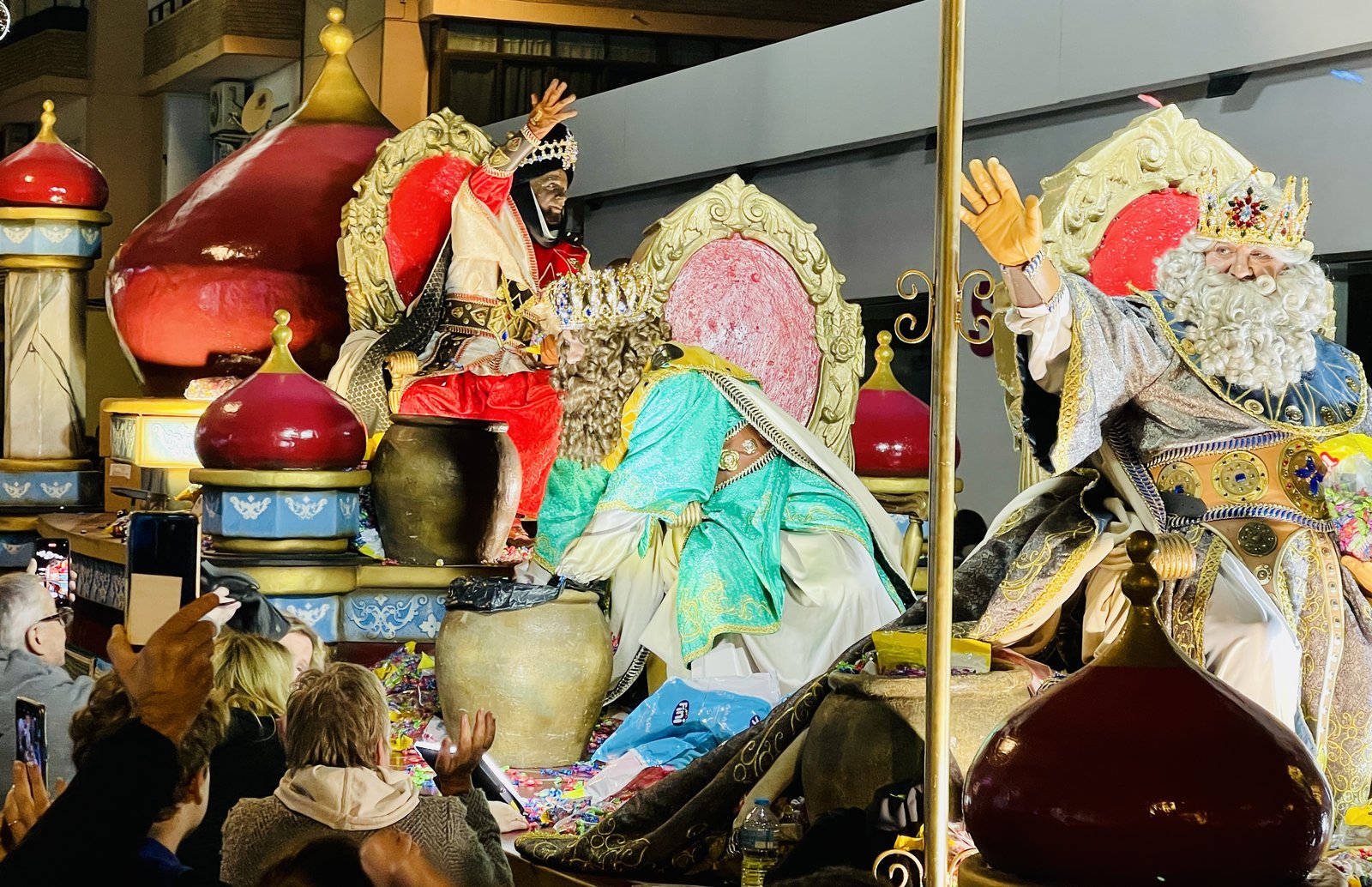
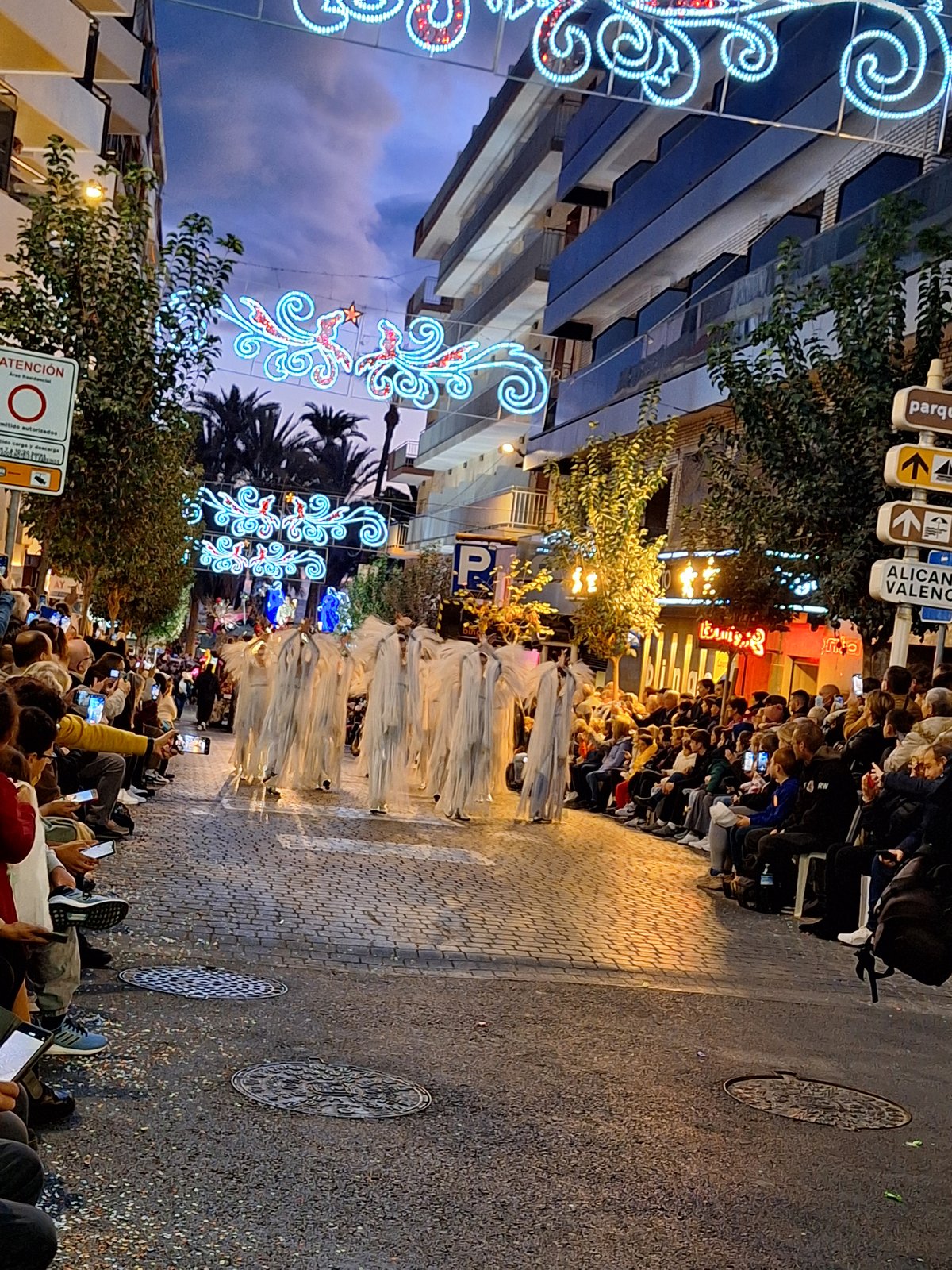
The Cabalgata de Reyes is the parade that brings them in, and Benidorm’s is a proper one. Around a thousand people take part: four local musical groups, five dance groups, roughly a dozen floats, and the Colla de Xirimiters de la Marina with the pipes and drums.
It sets off at about six in the evening. In January 2026 the route ran from the Parque de Elche along the avenida de Los Almendros, then through Marte, Venus, Ruzafa and Herrerías, into the Plaça SSMM Reyes de España and the Parque de l’Aigüera, finishing at the Auditorio Julio Iglesias. Expect something close to that, but check the council’s announcement in late December rather than assuming, because it is confirmed each year.
There is a second, smaller cabalgata on the same evening out at the Ermita de Sanz. If the main one sounds like too much with small children, that is the alternative.
It can move indoors
Worth knowing, because it caught people out in 2026. Rain was forecast, so the whole thing was moved into the Palau d’Esports L’Illa, with free buses laid on from an hour beforehand.
January on the Costa Blanca is dry more often than not, but it is not summer, and this is an outdoor event with a thousand costumed people and a dozen floats in it. If the forecast is bad, check where it is actually happening before you set off.
What it is like
The floats come through slowly with the three kings on the last of them. In Spanish cabalgatas sweets are thrown from the floats into the crowd, which is why you will see children arriving with upturned hoods and carrier bags, and why the pavements are worth avoiding in heels.
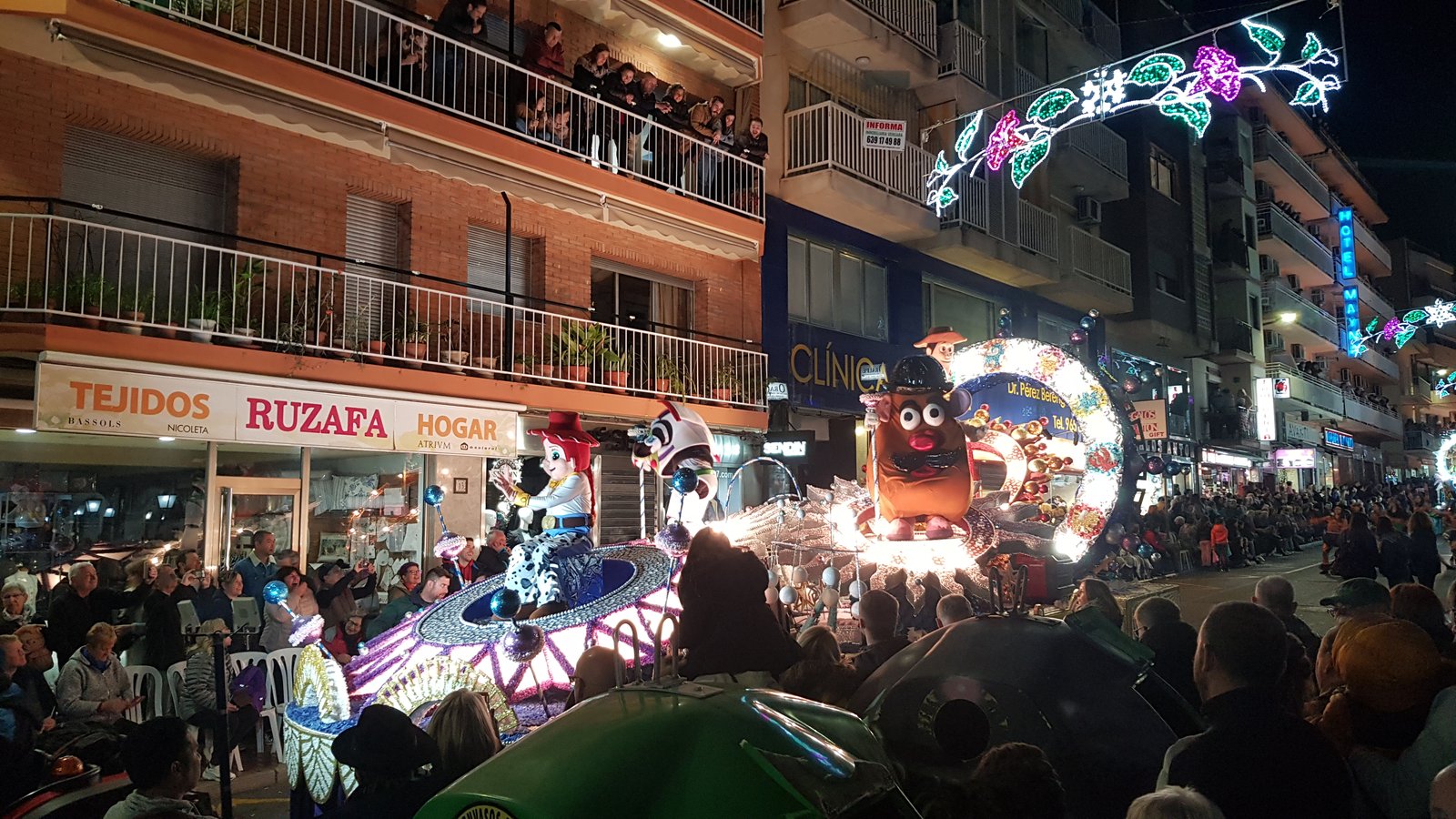
The crowd is almost entirely local, which is the reason to go. This is the one evening in the Benidorm calendar where you are quite clearly a guest at somebody else’s occasion, and it is a much better feeling than it sounds.
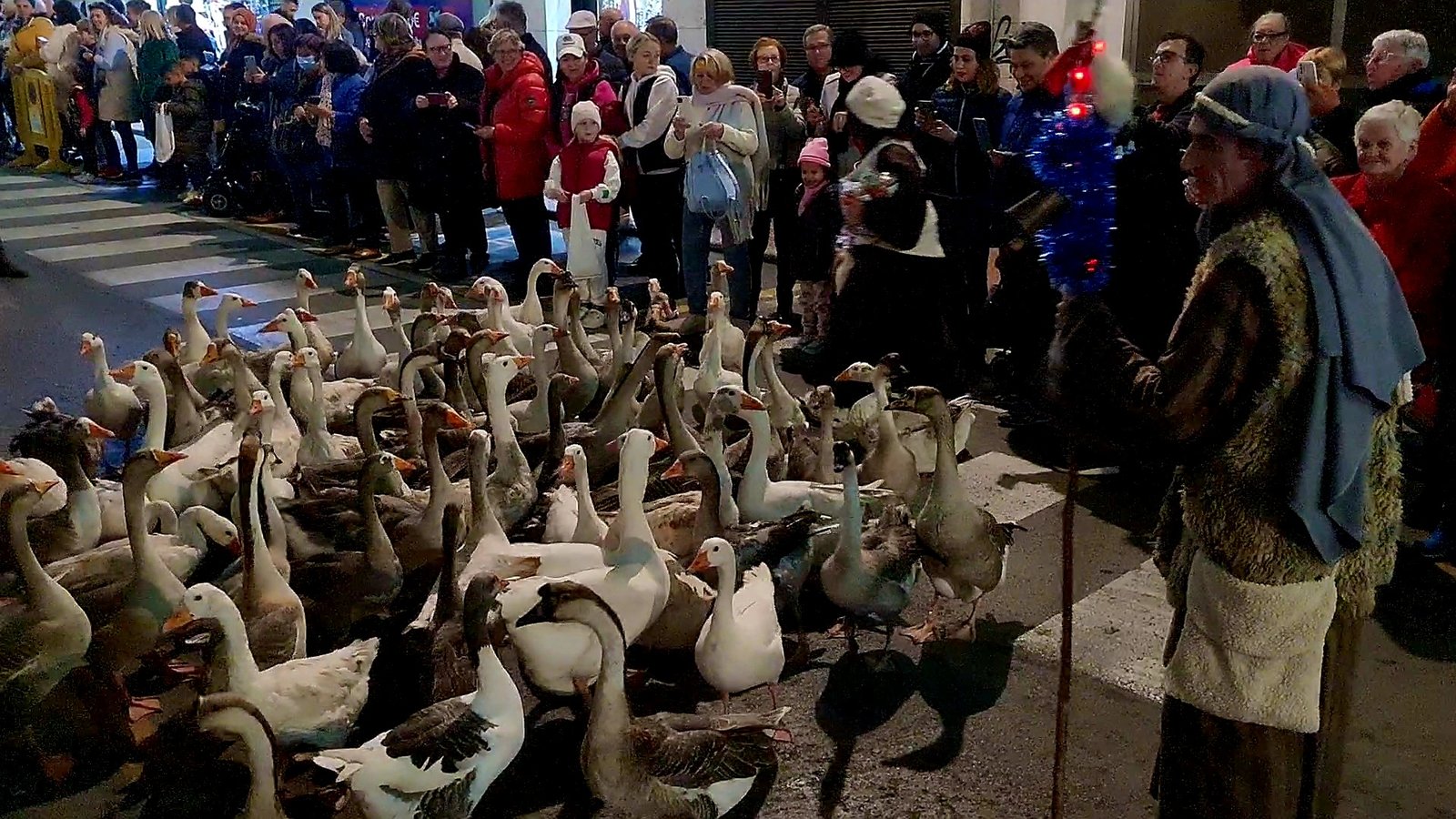
Not everything on the route is a float. The photographs readers have sent us show a shepherd walking a whole flock of geese through it in 2023, and cattle in 2024. The geese, says Peter, are always the favourite.
Afterwards the town eats roscón de reyes, a ring-shaped cake with a figure and a dried bean hidden in it. Whoever finds the figure is king for the day. Whoever finds the bean pays for the cake.
Coming to Benidorm for it
The 6th is a public holiday across Spain, so expect shops, banks and a good many restaurants to be shut, and the town to be slow all day.
The rest of that week is one of the quietest and cheapest of the year here. The Christmas crowd has gone home, the season has not started, and hotel prices are at their floor. If the idea of Benidorm without the crowds appeals, the first fortnight of January is when it exists, and the cabalgata is the one night it does not.
Take a coat. January evenings here sit in single figures once the sun has gone, and standing still on a pavement for an hour makes that felt.
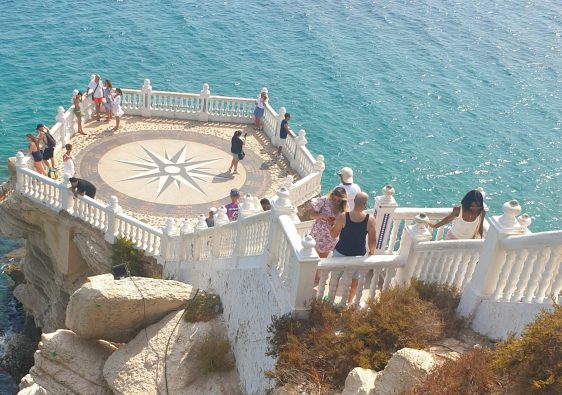
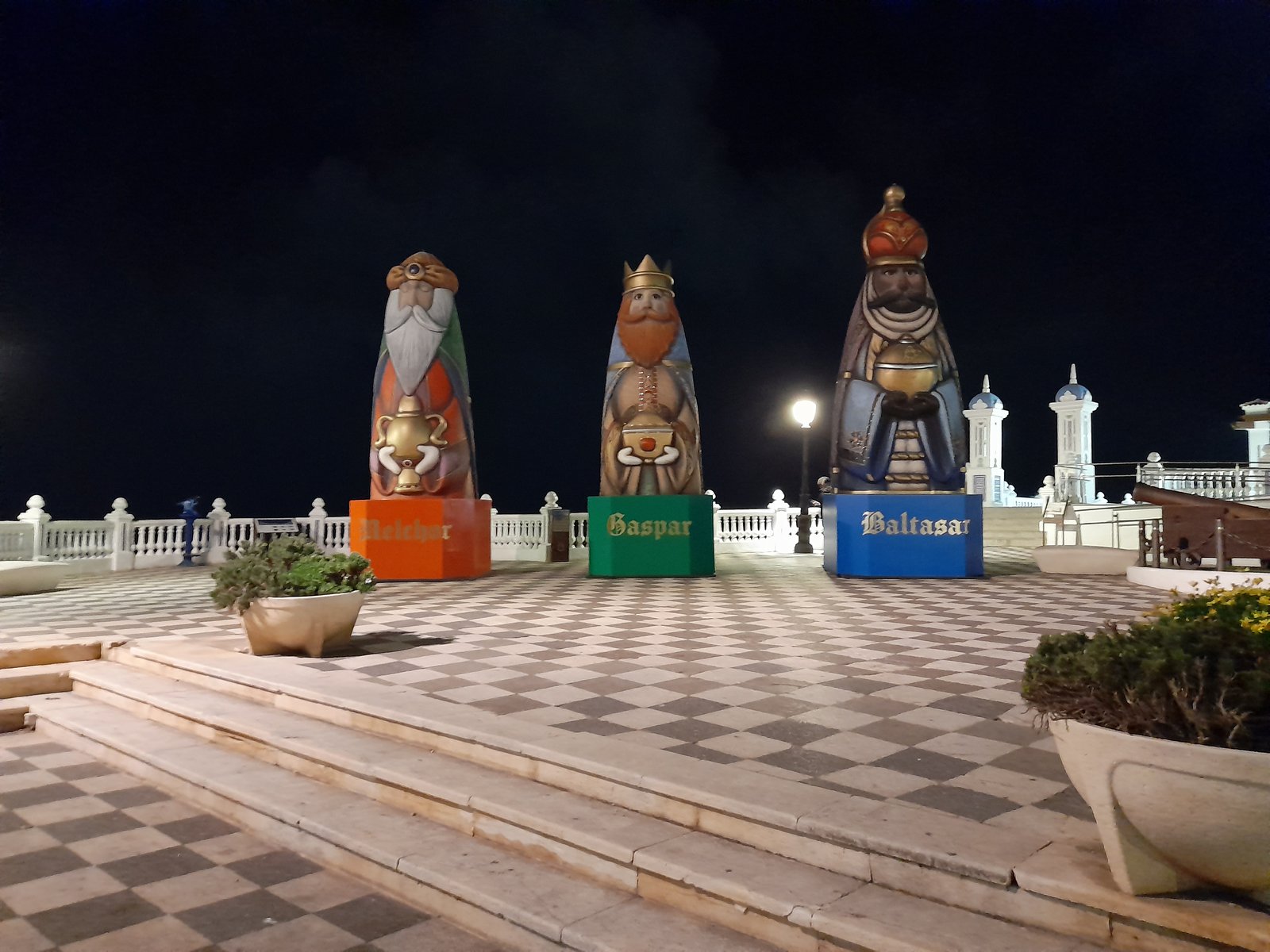
If you are here in December, the Kings arrive early in one sense. William found all three standing as giant figures on the Balcón del Mediterráneo in December 2025.
The rest of the calendar
The Three Kings opens the year. What follows is Sant Antoni in the middle of January, the Carnival and the Burial of the Sardine in February, and Fallas in March. The full year of Benidorm festivals sets out the lot, month by month, with the dates the council has actually published.
For the weeks before it, see Christmas in Benidorm.
The photographs and video on this page were sent in by Bulletin readers: Peter, Stewart, Leanne and William. Thank you.