Glyn
GlynSome places you discover by accident. Others you simply arrive at and feel, immediately, that you have been coming here all your life. La Tapita falls into the second category – and for those of us who have been making the trip to Benidorm for more than twenty years, it quite literally does.
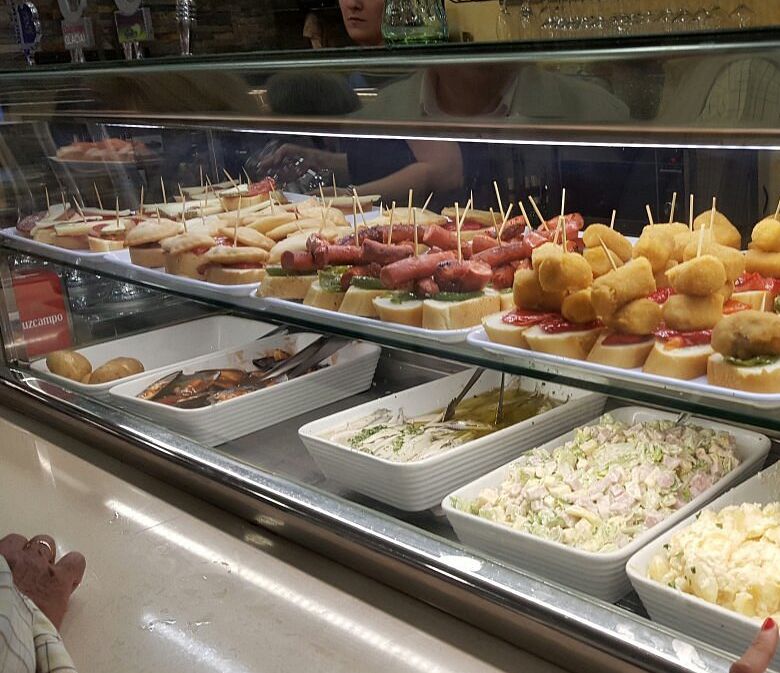
La Tapita was the very first tapas bar we ever set foot in when we began coming to Benidorm. We have watched it change hands over the years, seen it redeveloped and enlarged, and noticed how successive owners have each left their mark on the place. And yet the essence of it has never really shifted. The noise is the same. The warmth is the same. The glass-fronted counter with the day’s tapas on full display is the same. At busy times, you will still find yourself queuing out of the door, pressed in amongst locals who have been eating here for decades, waiting patiently with the quiet confidence of people who know it is worth it. That, in this business, is rather hard to achieve.
Finding It: A Secret Worth Keeping
La Tapita sits inside what regulars call Tapas Circle, a horseshoe-shaped cluster of traditional Spanish bars tucked behind Calle Doctor Pérez Llorca, on the edge of the Plaza Triangular on the Levante side of the Old Town in Benidorm. If you don’t know it exists, you will walk past it every single time.
Most British and Irish visitors, when the mood for Spanish food strikes, head straight to Tapas Alley in the Old Town. It is the obvious choice, it is easy to find, and it is perfectly decent. But Tapas Alley is commercial, well-trodden, and priced in full awareness of the tourist foot traffic it receives. Tapas Circle is what Tapas Alley was before it became famous. The crowd here is overwhelmingly Spanish: locals who live in Benidorm, and Spanish tourists who drive up from Valencia, Murcia, and further afield specifically to eat here. That tells you everything you need to know.
To find it, look for the entrance down the side of Abuela Herminia on Calle Doctor Pérez Llorca. Once you’re inside, the circle opens up around you, five or six bars lining the horseshoe, each one doing more or less the same thing: Spanish food, cold beer, minimal fuss, unreasonable value for money. La Tapita is the first bar you reach as you enter. You will know you have found it because there will already be a queue.
Twenty-Something Years of Queuing
The queue is not a deterrent. It is part of the experience, and it moves quickly enough.
What strikes you, if you have been coming here as long as we have, is how little the ritual has changed. The bar has grown a little, the interior has been freshened up more than once, and the prices have crept upwards as they do everywhere. But the dynamic is unchanged. Locals arrive at half past seven, order without hesitation, and settle in for the evening with the ease of people who have a usual table. New arrivals hover at the back of the queue, working out what they want. The counter staff manage the whole thing with a brisk efficiency that is never rude.
We have been the new arrival at the back of the queue. We have been the regulars at the front. Both experiences are good, and the transition between the two is simply a matter of visiting enough times, which is not exactly a hardship.
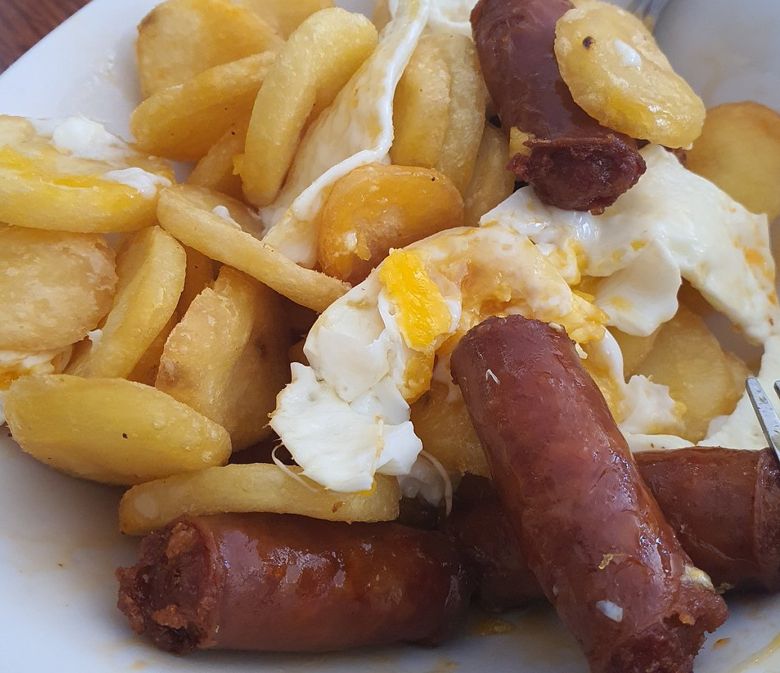
How the Ordering Works
The system at La Tapita, as at most traditional tapas bars, is worth understanding before you arrive, particularly if you have never ordered at a counter bar before.
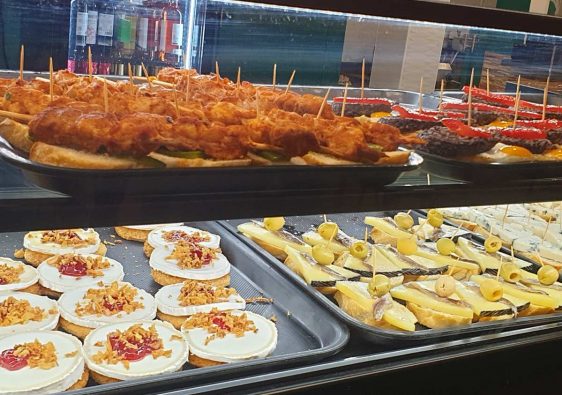
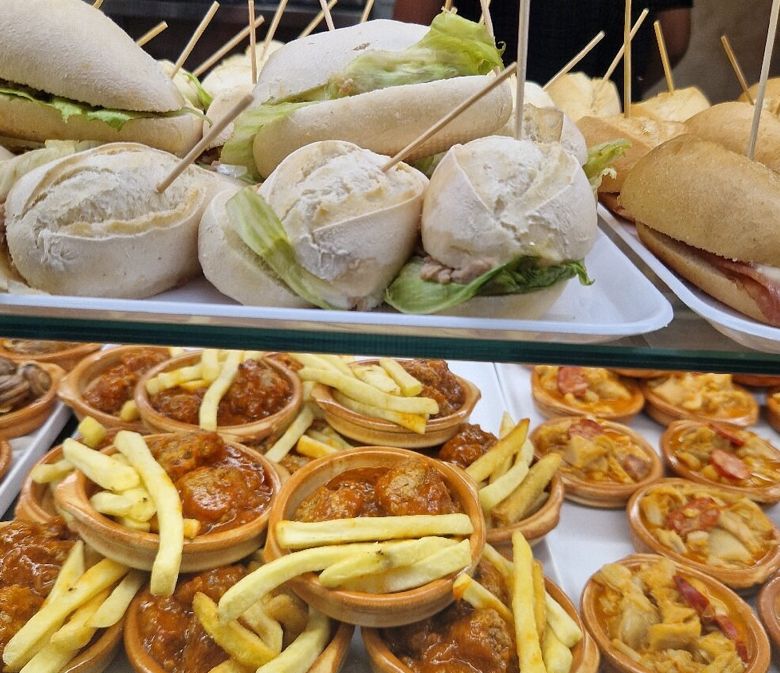
You join the queue. When you reach the front, the counter is laid out in front of you with everything visible: pintxos displayed across the top right, regular tapas arranged along the bottom. You pick what appeals, tell the person behind the counter what you want to drink, pay, and find a seat. That is the whole transaction. There is no table service, no menu to study, no waiting to be seated. You are in and out of that queue in under two minutes once you know what you want.
Two tapas and two drinks came to €5.50 on a recent visit. If you think that is a misprint, read it again. Five euros and fifty cents. For two people, fed and watered, at a bar that has been worth returning to for over twenty years.
What to Eat
The boquerones are the thing to start with. Fresh anchovies in olive oil and garlic, served cold with a scattering of olives alongside, are precisely what a properly cold beer was invented to accompany. If fish is not your preference, the meatballs are a sound alternative, served with a small portion of chips and generously proportioned for the price.
Beyond the tapas counter, La Tapita also offers raciones for those who want a more substantial meal. A ración is essentially a full portion of something you might otherwise order as a tapa: gambas al ajillo, the garlic prawns that deserve their reputation as one of the great dishes of the Spanish kitchen; chopitos, tiny fried baby squid, crisp and just sweet enough; croquetas, the cured-ham variety particularly worth seeking out. These are dishes that have not been designed for tourists. They have been designed for people who eat Spanish food regularly and expect it to be done properly.
The menu is written entirely in Spanish. If that presents a difficulty, it is a solvable one: a few minutes with a translation app before you visit will see you right. More than that, though, the Spanish menu is itself a signal. This place is not catering to people who need a picture of a prawn to know what they are ordering.
The Room
The interior at La Tapita has that quality you find in bars that have been doing the same thing for a long time and see no reason to change. Glass-fronted serving counters, hanging hams, walls covered in the kind of decor that accumulates rather than gets designed. The effect is entirely unforced. There is outdoor seating as well, useful in the earlier part of the evening when the air is still pleasant, though by nine o’clock most people have retreated inside.
The staff are worth a mention. In a resort town where bar workers can become understandably weary of the tourist cycle, the people at La Tapita are genuinely pleased to see you. Not in a performative hospitality sense, but in the quieter way of people who take some pride in what they are doing and are happy when others appreciate it.
When to Go
The evening session is the main event. Things start moving around half past seven and build quickly. By eight o’clock, the tables are full. By nine, if you haven’t claimed a spot, you may find yourself eating standing up or perching on the edge of the horseshoe. This is not a problem if you are in the right mood; it is Benidorm, after all, and there is a certain pleasure in eating on your feet in a busy Spanish bar with a cold beer in your hand.
If you want a seat and a more relaxed pace, arrive as close to seven-thirty as possible. The circle is worth a full circuit even before you order: five bars, each with slightly different specialities, each worth at least one visit. La Tapita is where we always start.
Practical Details
Where: Carretera Doctor Pérez Llorca, 4, Old Town, Benidorm. Enter Tapas Circle from the side of Abuela Herminia; La Tapita is the first bar inside on the left.
When: Evening sessions from around 19:00. Some daytime opening is available, though the atmosphere belongs to the evening.
What it costs: Two drinks and two tapas for around €5.50. Raciones from approximately €7.50 upwards. Beers from €2.70.
The crowd: Predominantly Spanish, which is the highest recommendation a bar in a Spanish resort town can receive.
Twenty-odd years is a long time to keep returning to the same bar. La Tapita has earned every one of those visits, and then some.